loan against shares, Loan against mutual fund

Loan Against Shares vs. Loan Against Mutual Funds: What’s the Difference?

Investors often explore options to unlock the liquidity of their investments without selling their assets. Two popular financing tools for such purposes are Loan Against Shares (LAS) and Loan Against Mutual Funds (LAMF). These financial instruments allow borrowers to leverage their investments to secure funds for various needs, such as personal expenses, business expansion, or debt consolidation.

If you’re considering either of these options, understanding the differences between a Loan Against Shares and a Loan Against Mutual Funds is crucial. This blog, brought to you by Anupam Finserv, will provide a detailed comparison to help you make an informed decision.

What is a Loan Against Shares?

A Loan Against Shares is a type of secured loan where you pledge your equity shares as collateral to the lender. The loan amount is determined by the market value of the shares you hold and the lender’s Loan-to-Value (LTV) ratio policy.

Key Features of Loan Against Shares:

  1. Collateral Requirement: Only equity shares listed on stock exchanges are eligible.
  2. Loan Amount: Typically, up to 50-70% of the market value of the pledged shares.
  3. Interest Rates: Generally lower than unsecured loans but slightly higher than loans against mutual funds.
  4. Ownership Retention: You retain ownership of your shares, allowing you to benefit from price appreciation or dividends.
  5. Risk: Market volatility can impact the value of pledged shares, potentially leading to a margin call from the lender.

What is a Loan Against Mutual Funds?

A Loan Against Mutual Funds allows investors to pledge their mutual fund units as collateral to secure a loan. It is a convenient way to tap into liquidity while keeping your investments intact.

Key Features of Loan Against Mutual Funds:

  1. Collateral Requirement: Both equity and debt mutual fund units can be pledged.
  2. Loan Amount: Up to 50% of the Net Asset Value (NAV) for equity funds and up to 80% for debt funads.
  3. Interest Rates: Usually lower than a loan against shares, especially for debt mutual funds.
  4. Ownership Retention: You remain the owner of your mutual fund units, allowing you to benefit from NAV growth.
  5. Risk: While less volatile than shares, equity mutual funds are still subject to market fluctuations.

Loan Against Shares vs. Loan Against Mutual Funds: A Head-to-Head Comparison

To help you choose the best option, here’s a detailed comparison of Loan Against Shares and Loan Against Mutual Funds based on various factors.

1. Eligibility Criteria

  • Loan Against Shares: Requires ownership of equity shares listed on recognized stock exchanges.
  • Loan Against Mutual Funds: Accepts both equity and debt mutual fund units.

2. Loan-to-Value (LTV) Ratio

  • Loan Against Shares: Typically, up to 50-70% of the share value.
  • Loan Against Mutual Funds: Up to 50% for equity funds and 80% for debt funds

3. Market Volatility Impact

  • Loan Against Shares: High market volatility can lead to frequent margin calls.
  • Loan Against Mutual Funds: Less affected by market fluctuations, especially for debt funds.

4. Interest Rates

  • Loan Against Shares: Slightly higher interest rates due to market risk.
  • Loan Against Mutual Funds: Lower interest rates, particularly for debt mutual funds.

5. Ease of Processing

  • Loan Against Shares: Slightly more complex, as it involves evaluating share eligibility and market volatility.
  • Loan Against Mutual Funds: Easier to process, as NAV-based valuation simplifies the collateral assessment.

6. Ownership Benefits

  • Loan Against Shares: Dividends and capital appreciation continue.
  • Loan Against Mutual Funds: NAV growth and mutual fund benefits remain unaffected.

7. Risk Level

  • Loan Against Shares: Higher risk due to market volatility.
  • Loan Against Mutual Funds: Lower risk, especially for debt funds.

Why Choose a Loan Against Shares?

A Loan Against Shares is ideal for individuals who:

  • Need funds quickly for personal or business purposes. Hold a portfolio of high-performing equity shares.
  • Are willing to take on higher risk in exchange for higher loan amounts.

Example Use Case:
Mr. Sharma, a business owner, holds shares of a blue-chip company worth ₹20 lakhs. He secures a Loan Against Shares for ₹10 lakhs (50% LTV) to fund his working capital needs, retaining ownership of his shares.

Why Choose a Loan Against Mutual Funds?

A Loan Against Mutual Funds is suitable for:

  • Investors seeking lower-risk funding options.
  • Those who want to retain the stability and growth potential of their mutual fund investments.
    Borrowers looking for lower interest rates.

Example Use Case:
Ms. Radhika, an IT professional, owns equity and debt mutual funds with a combined NAV of ₹15 lakhs. She pledges her funds to secure a ₹7.5 lakh loan (50% LTV for equity funds and 80% for debt funds) to renovate her home.

Tax Implications

While both loans do not directly impact your taxable income, here are some nuances:

  • Loan Against Shares: Interest paid is not tax-deductible unless the loan is used for business purposes.
  • Loan Against Mutual Funds: Similarly, the interest is deductible only for business-related loans.

Consult a tax advisor to understand the implications based on your specific use case.

Why Anupam Finserv is Your Best Choice for LAS and LAMF

At Anupam Finserv, we specialize in providing personalized and hassle-free loans to meet your financial needs. Whether you choose a Loan Against Shares or a Loan Against Mutual Funds, we ensure a seamless experience with benefits like:

  • Competitive Interest Rates: We offer some of the lowest rates in the market.
  • Quick Approvals: Enjoy fast processing and minimal documentation.
  • Flexible Repayment Options: Tailor your repayment plan to suit your cash flow.
  • Transparency: No hidden charges or surprises.

As a trusted NBFC, Anupam Finserv is committed to helping you leverage your investments for growth.

How to Apply for a Loan Against Shares or Mutual Funds with Anupam Finserv

Follow these simple steps to apply:

  1. Evaluate Your Needs: Decide the loan amount and purpose.
  2. Contact Us: Visit our website or nearest branch to begin the application process.
  3. Submit Documentation: Provide identity proof, address proof, investment details, and other necessary documents.
  4. Loan Sanctioning: Our team will assess your application and approve the loan quickly.
  5. Disbursement: Receive funds directly in your bank account.

With Anupam Finserv, accessing liquidity from your investments has never been easier!

Tips for Choosing the Right Loan Option

  1. Understand Your Risk Tolerance: If you are risk-averse, a Loan Against Mutual Funds may be the better option.
  2. Analyze Your Investment Portfolio: Consider the type and value of your investments.
  3. Assess Your Financial Needs: Determine how much you need and for how long.
  4. Compare Costs: Look at interest rates, processing fees, and other charges.
  5. Consult an Expert: Our advisors at Anupam Finserv can guide you in choosing the best loan option.

Conclusion

Both Loan Against Shares and Loan Against Mutual Funds offer excellent opportunities to access funds without liquidating your investments. While LAS is suitable for those with a higher risk appetite and significant equity investments, LAMF is ideal for conservative investors looking for stability and lower interest rates.

At Anupam Finserv, we make the borrowing process simple and efficient. Whether you’re planning to expand your business, consolidate debt, or fund personal goals, we provide the perfect financing solutions tailored to your needs.

Ready to leverage your investments? Contact Anupam Finserv today and unlock the power of your portfolio!
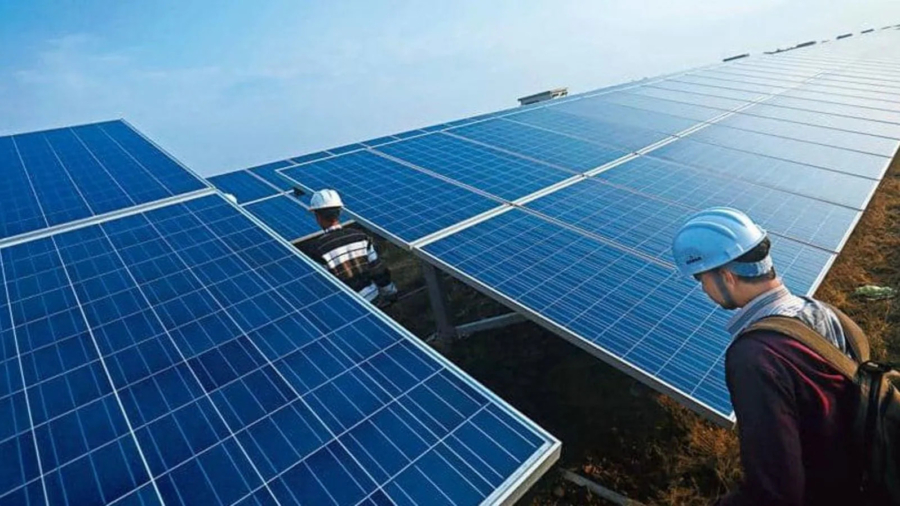

Solar loan at Anupam finserv

A Comprehensive Guide to Subsidies and Incentives for Solar Loans in India

In an era of environmental consciousness and rising energy costs, solar energy has emerged as a game-changer. Recognizing its potential, the Indian government, along with various financial institutions, offers an array of subsidies and incentives to promote solar energy adoption. If you are considering switching to renewable energy, understanding these subsidies and incentives, especially in the context of solar loans, can help you make an informed decision. At Anupam Finserv, we are committed to empowering your journey toward sustainability through hassle-free solar loans tailored to your needs.

Why Solar Energy Matters

The push for solar energy stems from its sustainability, cost efficiency, and ability to reduce carbon footprints. As one of the fastest-growing energy markets globally, India has set an ambitious target to achieve 500 GW of renewable energy capacity by 2030. This is where solar loans in India play a pivotal role in bridging the financial gap for individuals and businesses looking to embrace solar power.

What Are Solar Loans?

Solar loans are specialized financing solutions designed to help individuals, homeowners, and businesses invest in solar energy systems. These loans cover expenses related to the purchase, installation, and maintenance of solar panels. At Anupam Finserv, we offer competitive solar rooftop loans to make renewable energy accessible to all.

Government Subsidies for Solar Energy in India

The Government of India actively encourages the adoption of solar energy by offering subsidies and incentives under various schemes. Here’s a detailed overview:

1. Subsidies for Residential Solar Installations

The Ministry of New and Renewable Energy (MNRE) provides financial assistance for rooftop solar installations.

  • Eligibility: Available for residential consumers installing grid-connected solar rooftop systems.
  • Subsidy Rates:
    – Up to 40% subsidy for systems up to 3 kW.
    – 20% subsidy for systems between 3 kW and 10 kW.

This subsidy makes switching to solar an affordable option for households. With solar rooftop loans from Anupam Finserv, you can cover the remaining cost conveniently.

2. Subsidies for Farmers under the KUSUM Scheme

The Kisan Urja Suraksha Evam Utthaan Mahabhiyan (KUSUM) scheme focuses on empowering farmers with solar energy solutions.

  • Component A: Support for solar-powered standalone pumps.
  • Component B: Solarization of existing grid-connected pumps.
  • Component C: Installation of solar power plants on barren or cultivable land.

Farmers can receive a subsidy of up to 60%, reducing the financial burden. Through our green loans, farmers can finance their share of the cost seamlessly.

3. State-Specific Subsidies

In addition to central government subsidies, many states in India offer their own incentives for solar energy projects. For example:

  • Gujarat: State offers subsidies up to 40% for residential solar rooftop installations.
  • Rajasthan: Provides financial assistance for solar water pumps and residential solar setups.

At Anupam Finserv, we help you navigate the complexities of state-specific subsidies, ensuring you receive the maximum benefit.

Solar loan at Anupam finserv

Tax Incentives for Solar Energy

In addition to subsidies, solar energy adoption in India comes with significant tax benefits.

1. Accelerated Depreciation

Businesses installing solar power systems can claim accelerated depreciation of up to 40% under the Income Tax Act. This reduces the taxable income and encourages commercial establishments to invest in solar energy.

2. Income Tax Exemptions

Certain solar projects enjoy tax exemptions on the income generated, especially in rural and underserved areas.

If you’re a business owner planning to install solar panels, consider our solar loans tailored for renewable energy projects to optimize your financial planning.

The Role of Solar Loans in Financing Your Solar Journey

Despite subsidies and tax incentives, the upfront cost of solar installations can be substantial. This is where solar loans act as a bridge, enabling individuals and businesses to invest in solar energy without straining their finances.

At Anupam Finserv, we offer:

  • Flexible Repayment Options: Tailored to suit your financial comfort.
  • Competitive Interest Rates: Making solar loans affordable.
  • Quick Approvals: Ensuring you don’t delay your switch to solar power.

Advantages of Solar Loans with Anupam Finserv

Choosing Anupam Finserv for your solar financing needs provides you with several unique benefits:

1. Customized Loan Solutions

We understand that every customer has unique requirements. Our solar loans are designed to cover residential, commercial, and agricultural projects.

2. Hassle-Free Process

From documentation to disbursement, we ensure a smooth process, enabling you to focus on your solar installation project.

3. Expert Guidance

Our team provides end-to-end support, from helping you understand subsidies to selecting the right loan plan.

How to Apply for Solar Loans at Anupam Finserv

Applying for a solar loan at Anupam Finserv is quick and straightforward:

  1. Submit Your Application: Fill out a simple application form online or at our branch.
  2. Provide Necessary Documents: Include ID proof, address proof, income proof, and details of the solar project.
  3. Loan Approval: Get a fast-tracked approval based on eligibility and documentation.
  4. Disbursement: Funds are disbursed directly to your account, ensuring no delays in project implementation.

Case Studies: Real-Life Solar Loan Success Stories

A housing society in Kalyan – Punyodaya Park Co-operative Housing Society Ltd was facing high electricity bills which in turn were putting additional expense burden on them. Same time electricity rates were going high. Together all society members decided to install the Rooftop Solar Project for which they were having fund requirements. Anupam Finserv helped them basis their creditworthiness and project cost. Now they are successfully generating electricity using solar panels and their electricity bills are reduced by nearly 95%. It has a great impact for society as a whole.

Challenges in Solar Financing and How Anupam Finserv Helps

While solar adoption is on the rise, challenges like high initial costs, lack of awareness, and complex subsidy procedures persist. Anupam Finserv bridges these gaps by:

  • Offering affordable green loans.
  • Providing expert advice on subsidies and incentives.
  • Simplifying the application process.

FAQs About Solar Loans in India

1. Who Can Apply for a Solar Loan?

Anyone looking to install a solar power system—whether for residential, commercial, or agricultural purposes—can apply for a solar loan.

2. What Is the Interest Rate for Solar Loans?

Interest rates vary based on the loan amount, tenure, and borrower profile. At Anupam Finserv, we offer competitive rates to suit your budget.

3. Are Solar Loans Eligible for Tax Benefits?

Yes, solar loans, especially for businesses, can provide tax benefits through accelerated depreciation.

4. Can I Combine a Solar Loan with Government Subsidies?

Absolutely! Our team ensures that you leverage all available subsidies while financing the remaining cost through our solar loans.

The Future of Solar Energy in India

With ambitious renewable energy goals, India is poised for a solar revolution. Subsidies, incentives, and accessible financing solutions like solar loans will play a critical role in this transformation.

Conclusion

Investing in solar energy is not just a financial decision; it’s a commitment to a sustainable future. With solar loans from Anupam Finserv, you can harness the power of the sun without financial strain. Explore our range of loan products and join the growing community of eco-conscious energy users in India.


For more information or to apply for a solar loan, contact Anupam Finserv today!

Title (2)

Top 5 Benefits of Using Invoice Discounting for Business Growth

Invoice discounting is rapidly becoming a popular financing solution among businesses of all sizes. For entrepreneurs and companies looking to optimize cash flow without accumulating long-term debt, invoice discounting is a game-changer. At Anupam Finserv, we believe in empowering businesses with flexible, innovative, and efficient financial solutions. In this blog, we’ll explore how invoice discounting can accelerate your business growth, focusing on its top five benefits and how it aligns with your financial goals.

What is Invoice Discounting?

Before diving into the benefits, let’s break down what invoice discounting is.

Invoice discounting is a financial tool that allows businesses to leverage their outstanding invoices to secure working capital. Instead of waiting for customers to pay their dues, businesses can submit these invoices to a lender, like Anupam Finserv, at a discounted rate and access immediate cash.

This process helps bridge cash flow gaps, providing the liquidity needed to manage daily operations, seize growth opportunities, or handle unexpected expenses.

You can also refer to our video “What is invoice discounting?” for a better understanding.

Why Choose Invoice Discounting for Business Financing?

Businesses face challenges in maintaining a steady cash flow due to delayed payments or extended credit terms. Invoice discounting offers a smart alternative to traditional loans, allowing you to unlock cash tied up in unpaid invoices. This flexible and cost-effective solution helps you manage your finances better and focus on growth.

At Anupam Finserv, we understand the unique needs of businesses and offer tailored invoice discounting services designed to boost your financial health.

The Top 5 Benefits of Invoice Discounting for Business Growth

1. Improved Cash Flow

Cash flow is the lifeblood of any business. Delayed customer payments can cause operational slowdowns or missed opportunities.

With invoice discounting, you no longer have to wait for payment cycles to complete. By unlocking funds tied up in invoices, you can:

  • Pay suppliers on time.
  • Invest in new projects.
  • Manage daily operational expenses seamlessly.

For example, if your business has outstanding invoices worth ₹10 lakhs, you can get immediate liquidity of up to 80-90% of the invoice value through Anupam Finserv’s invoice discounting services. This improved cash flow ensures your business runs smoothly, even during lean periods.

2. No Collateral Required

One of the biggest advantages of invoice discounting is that it’s unsecured, meaning you don’t have to pledge any assets as collateral. The value of your invoices serves as the basis for financing.

This makes it an ideal option for businesses that:

  • Don’t have significant assets to offer as security.
  • Want to avoid the risk of losing assets tied to secured loans.

At Anupam Finserv, we prioritize your financial freedom by offering hassle-free and collateral-free invoice discounting solutions.

3. Faster Access to Funds

Traditional loans can be time-consuming, with lengthy approval processes and extensive documentation. Invoice discounting, on the other hand, offers quick turnaround times.

Here’s how Anupam Finserv ensures faster access to funds:

  • Minimal paperwork requirements.
  • In-Person Loan Processing for a More Personalized Approach.
  • Funds disbursed within 24-48 hours.

This speed allows you to meet urgent financial requirements, whether it’s purchasing raw materials, paying salaries, or fulfilling a large order.

4. Improved Financial Flexibility

Invoice discounting doesn’t tie you down with rigid repayment schedules or long-term liabilities. It’s a flexible financing solution that grows with your business.

With Anupam Finserv, you can enjoy the following flexibilities:

  • Access funding based on the volume of your invoices.
  • Repay automatically when customers settle their invoices.
  • Use the funds for any business purpose, without restrictions.

This flexibility empowers businesses to respond quickly to market demands, scale operations, and make timely decisions that drive growth.

5. Maintain Control Over Customer Relationships

Unlike factoring, where the lender interacts directly with your customers, invoice discounting allows you to maintain full control over customer communications.

This ensures that:

  • Your customer relationships remain unaffected.
  • Your brand’s reputation stays intact.
  • You continue to handle collections without external interference.

At Anupam Finserv, we value your customer relationships as much as you do. Our discreet invoice discounting services ensure confidentiality and professionalism at every step.

Why Choose Anupam Finserv for Invoice Discounting?

At Anupam Finserv, we are committed to providing businesses with financial solutions that drive growth and success. Here’s why our invoice discounting services stand out:

Tailored Solutions: We customize our services to align with your business needs.

Competitive Rates: Enjoy attractive interest rates and transparent pricing.

Expert Support: Our team of financial experts is here to guide you through the process.

Face-to-Face Convenience: In-Person Loan Applications for a More Personalized Experience

How to Get Started with Invoice Discounting?

Getting started with invoice discounting is simple and straightforward with Anupam Finserv. Here’s what you need to do:

  1. Submit Your Invoices: Provide details of the invoices you want to discount.
  2. Get an Offer: We evaluate your invoices and offer funding based on their value.
  3. Receive Funds: Once approved, the funds are transferred to your account promptly.
  4. Repay Automatically: When your customers pay their invoices, the amount is adjusted.

By choosing Anupam Finserv, you gain access to a seamless and efficient process that puts your business on the fast track to growth.

FAQs About Invoice Discounting

1. Is invoice discounting suitable for small businesses?

Absolutely! Invoice discounting is an excellent option for small and medium enterprises (SMEs) that face cash flow challenges due to delayed customer payments.

2. What documents are required for invoice discounting?

Basic documentation, such as proof of business, details of invoices, and KYC documents, is typically required. At Anupam Finserv, we ensure a simple and hassle-free documentation process.

3. How is invoice discounting different from factoring?

In invoice discounting, the business maintains control over customer relationships and collections. In factoring, the lender takes over customer interactions and collections.

Conclusion

Invoice discounting is a powerful financial tool that can help businesses overcome cash flow challenges, seize opportunities, and drive growth. With benefits like improved cash flow, faster access to funds, and financial flexibility, it’s no wonder that more businesses are turning to this solution.

At Anupam Finserv, we are dedicated to helping you unlock your business’s potential with innovative financing solutions. Whether you’re a small business or a large enterprise, our invoice discounting services are designed to meet your unique needs.

Ready to take your business to the next level? Contact Anupam Finserv today and explore how invoice discounting can fuel your growth journey!

1.24

Solar Panels for Your Home and Housing Societies: Easy Financing and Installation Process

Switching to solar energy is not just a step towards sustainability but also a smart way to cut down on electricity bills. However, the upfront cost of solar panel installation can be daunting for homeowners and housing societies. That’s where we come in. We offer easy financing solutions for solar installations and help you get the best quotes tailored to your needs.

In this blog, we’ll guide you through the process of getting your home or housing society solar-ready and explain how we make it hassle-free for you. You can also check out our video explaining how solar financing works for housing societies.

Why Solar Panels for Your Home or Housing Society?

1. Cost Savings: Solar energy reduces electricity bills significantly, making it a long-term investment.

2. Eco-Friendly: Harnessing solar energy reduces your carbon footprint and dependence on fossil fuels.

3. Increased Property Value: Solar installations enhance the market value of your property.

4. Government Incentives: Avail subsidies and tax benefits to reduce installation costs.

Cost of Solar Panels for Homes and Housing Societies

The cost of solar panels for homes depends on your energy needs and installation size. Typically, a 1 kW system costs between ₹60,000 – ₹1,20,000. For housing societies, larger systems are required, and costs vary accordingly.

Factors Affecting Costs:

  • Number of units consumed (as shown on your electricity bill).
  • Available rooftop or ground space.
  • Quality of panels and accessories.

How We Simplify the Process

We ensure a smooth and transparent process for financing and installing solar panels for homes and housing societies. Here’s how it works:

Step 1: Share Your Electricity Bills

Start by providing us with 2-3 months of electricity bills. These bills help us understand:

• Your average energy consumption (in units).

• The required size of the solar installation.

Step 2: Get the Best Quote

Based on your energy needs and available space (roof or ground), we calculate your system requirements and provide the best quote for your solar installation.

Step 3: Site Visit for Assessment

Once you agree to the tentative quote, we conduct an on-site visit to:

• Inspect the installation area for shadows or obstacles.

• Assess the roof or ground space suitability.

Step 4: Final Plan and Approval

After the site visit, we provide a final plan with precise specifications and costs. Upon your approval, we proceed to the installation phase.

Step 5: Installation and Compliance

• Installation is completed within 10 days of approval.

• We assist with local electricity provider applications to update your meter and ensure compliance with regulations.


Why Choose Us for Solar Panel Financing?

1. Flexible Financing Options: We offer tailored loan solutions for solar installations, ensuring affordability for individuals and housing societies.

2. Best Quotes: Our network of trusted solar providers ensures you get the most competitive pricing.

3. Hassle-Free Process: From initial assessment to final compliance, we handle everything.

4. Quick Turnaround: Installation completed in just 10 days after approval.

5. Expert Support: Our team guides you at every step to maximize your savings and benefits.

Benefits of Financing Solar Installations

  • Spread the cost over manageable monthly installments.
  • Enjoy immediate savings on electricity bills.
  • Leverage government subsidies to reduce overall costs.

Get Started Today!

Switching to solar power has never been easier. Whether it’s for your individual home or a large housing society, our team is here to assist you with:

• Cost-effective financing solutions.

• Transparent and competitive quotes.

• End-to-end support from planning to installation.

All you need to do is share your electricity bills, and we’ll take care of the rest. Ready to make the switch to solar? Contact us today for a free consultation and start your journey towards a brighter, greener future!

By choosing solar, you’re investing in sustainability and savings. Let us help you power your home or society with clean energy today!

Title

How to Secure a Loan Against Shares in India: A Step-by-Step Guide​

In India, leveraging existing investments to meet urgent financial needs is an increasingly popular option, especially through loans against shares. This unique solution enables individuals to pledge shares as collateral to access quick funds without selling their valuable stock holdings. Whether you need capital for personal expenses, business expansion, or new investment opportunities, a loan against shares can be a highly effective approach.

What is a Loan Against Shares?

A loan against shares is a secured loan that allows individuals to pledge their stock holdings as collateral, enabling them to obtain funds without liquidating their shares. With NBFC lenders like Anupam Finserv, borrowers can retain ownership of their shares, thereby benefiting from potential capital appreciation while gaining the liquidity they need.

Why Choose Anupam Finserv for a Loan Against Shares?

Anupam Finserv is a trusted name in the NBFC lending space in India, known for its flexible terms, competitive interest rates, and simplified loan processing. Our team takes pride in offering personalized financial solutions that cater to individual needs, ensuring that every client has a hassle-free experience from start to finish.

Benefits of Availing a Loan Against Shares

Opting for a loan against shares in India has several advantages, especially for those seeking funds without disturbing their investments. Some benefits include:

  • Quick Access to Funds: Loans against shares typically have faster processing times than traditional loans since they are backed by collateral.
  • Retain Ownership of Shares: Borrowers can retain ownership and enjoy potential future gains from their shares, along with dividends.
  • Flexible Repayment Options: Anupam Finserv offers flexible loan repayment schedules that can be customized according to your financial goals.
  • Competitive Interest Rates: Loans against shares are often more cost-effective than unsecured loans, given the secured nature of the borrowing.
  • No End-Use Restriction: The funds can be used for various purposes, whether personal or business-related.

Step-by-Step Guide to Secure a Loan Against Shares in India

Step 1: Evaluate Your Share Portfolio

Before applying for a loan against shares, assess your stock holdings. Generally, NBFCs accept blue-chip and high-market-cap stocks due to their stability and lower risk. Anupam Finserv can provide a list of accepted securities to guide your decision.

Step 2: Check Eligibility Criteria

Each lender has specific eligibility criteria for a loan against shares. At Anupam Finserv, applicants must meet the following requirements:

– Age: 18 to 65 years

– Ownership of Shares: The shares must be held in your name.

– Credit History: Although a credit score is not the primary consideration, a positive credit history can improve your loan terms.

Step 3: Decide on Loan Amount and Tenure

Once you confirm your eligible shares, determine the loan amount you need. The loan-to-value (LTV) ratio typically ranges from 50% to 75%, depending on the value and type of shares. For instance, if you hold shares worth ₹10 lakhs, you may be eligible for a loan between ₹5 to ₹7.5 lakhs. Anupam Finserv offers flexible tenures, helping you tailor your loan period to fit your financial needs.

Step 4: Gather Necessary Documents

Unlike some traditional loans, a loan against shares requires minimal documentation. Commonly required documents include:

– Proof of identity (e.g., Aadhaar, PAN Card, Passport)

– Proof of address (e.g., utility bill, voter ID)

– Demat account statement showing your shareholdings

– Income documents, if applicable (for salaried and self-employed applicants)

Your Anupam Finserv advisor will guide you through the specific documents needed, streamlining the application process.

Step 5: Apply Online or Visit an Anupam Finserv Branch

You can initiate the loan process by applying online on Anupam Finserv’s website, where you’ll share your details and basic information regarding the loan. Once you submit the form, our team will reach out to you, ensuring you get personalized assistance for each subsequent step. Unlike some fully digital loan processes, our team will handle document verification and final approval offline, adding an extra level of support for clients who prefer hands-on guidance.

Step 6: Loan Approval and Pledge Creation

After verifying your documents and assessing the value of your shares, Anupam Finserv will sanction your loan amount. The final step involves creating a pledge on your shares through the National Securities Depository Limited (NSDL) or Central Depository Services Limited (CDSL). This formal pledge acts as security for the loan, and once completed, the funds will be disbursed to your bank account.

 Repayment Options and Interest Rates

Anupam Finserv offers various repayment options to accommodate different financial situations. Borrowers can choose from:

1. EMI-Based Repayment: Regular monthly payments that cover both the principal and interest components.

2. Interest-Only Option: Payments for interest only during the loan tenure, with the principal amount due at the end of the term.

Interest rates on loans against shares are competitive, depending on factors like the borrower’s profile and the shares pledged. Discuss the terms with your Anupam Finserv advisor to understand the exact rate applicable to your loan.

Important Considerations When Availing a Loan Against Shares

While loans are highly beneficial, it’s crucial to be mindful of the following aspects:

– Market Volatility: The value of your pledged shares may fluctuate with market conditions. If the share value drops significantly, you might need to provide additional collateral or make partial payments to maintain the loan-to-value (LTV) ratio.

– Interest Rate Fluctuations: Loans against shares can have variable interest rates that may shift with market trends, so it’s essential to stay informed.

– Limits on Shares: Some lenders may impose restrictions on the number of shares that can be pledged or limit the approval to only high-value stocks.

Who Should Consider a Loan Against Shares?

A loan against shares is an ideal option for individuals or businesses who need liquidity without selling off their investments. Typical scenarios include:

1. Business Owners Seeking Expansion: Business owners looking for capital without selling assets may find this loan option ideal.

2. Investors Seeking Liquidity: Investors who expect their shares to appreciate over time but need funds in the short term can benefit from loans against shares.

3. Individuals Managing Urgent Expenses: From medical emergencies to unexpected travel, a loan against shares provides fast funds without disrupting long-term financial plans.

Anupam Finserv’s Dedicated Loan Advisory Services

To enhance your borrowing experience, Anupam Finserv provides dedicated advisors who guide you at every step of the loan process. From helping you assess eligible shares to determining the best repayment terms, our team offers personalized support to ensure you get a loan suited to your financial goals.

Frequently Asked Questions

1. Can I pledge shares from multiple Demat accounts?

Yes, Anupam Finserv allows pledging from multiple Demat accounts, provided they’re in your name.

2. How is the loan amount determined?

The loan amount depends on the loan-to-value ratio (LTV), which reflects the value of your shares. High-value stocks typically allow a higher LTV.

3. Is a high credit score necessary for a loan against shares?

Although not mandatory, a strong credit score can enhance loan terms and approval chances.

4. Can I apply for a top-up on my loan against shares?

Yes, top-up loans are available based on the updated valuation of your pledged shares.

Conclusion

For those seeking immediate liquidity without sacrificing valuable investments, a loan against shares can be a valuable financing tool. Anupam Finserv offers a straightforward and professional process, helping clients unlock the potential of their investments efficiently and effectively.

Ready to get started? Contact Anupam Finserv today to learn more about how a loan against shares can work for you.

Bill discounting, loan, small business, business loan, entrepreneur, businessman, women owned businesses.

Invoice Discounting for MSMEs: How It Works and Why You Need It

Bill discounting, loan, small business, business loan, entrepreneur, businessman, women owned businesses.

For Micro, Small, and Medium Enterprises (MSMEs), managing cash flow can be challenging. Often, these businesses face delays in receiving payments from customers, which can disrupt daily operations and slow growth. This is where invoice discounting comes in—a financial tool that ensures steady liquidity by providing access to working capital without waiting for customer payments. Get a quick intro to invoice discounting by watching our latest video.

What is Invoice Discounting?

Invoice discounting is a financial solution that allows businesses to convert their outstanding invoices into immediate cash. Instead of waiting for 30, 60, or 90 days to receive customer payments, MSMEs can finance these invoices to a lender, such as Anupam Finserv, at a discounted rate. The lender provides a percentage of the invoice’s value upfront, helping the business maintain a healthy cash flow.

The invoice discounting process provides liquidity without creating new debt and enables businesses to continue operations smoothly. Once the customer pays the invoice, the lender recoups the remaining amount, minus any fees. This makes invoice discounting a flexible and effective tool for MSMEs facing cash flow challenges.

How Invoice Discounting Works

Traditional Invoice Discounting:

  1. Generating the Invoice: The MSME provides goods or services to a customer and issues an invoice with agreed-upon payment terms (usually 30-90 days).
  2. Submitting the Invoice for Discounting: The business submits its unpaid invoice to a lender, such as Anupam Finserv, for discounting. The lender assesses the invoice and the customer’s creditworthiness.
  3. Immediate Funding: Upon approval, the lender advances a significant percentage of the invoice value—typically between 80% and 90%—within a short time.
  4. Customer Payment: Once the customer pays the invoice, the MSME receives the balance of the invoice minus the lender’s fees.
  5. Final Settlement: After deducting its fees, the lender releases the remaining balance to the MSME.

This traditional method allows MSMEs to unlock the value of unpaid invoices and quickly inject liquidity into the business.

How Invoice Discounting with Anupam Finserv Works

In addition to traditional invoice discounting, Anupam Finserv offers an alternative method where the customer pays the lender directly, removing the MSME from the transaction after the initial funding.

  1. Invoice Submission: The MSME submits the invoice to Anupam Finserv for discounting. After assessing the customer’s creditworthiness, Anupam Finserv advances 80-90% of the invoice value.
  2. Customer Notification: The customer is notified that the invoice has been discounted and that payment will be made directly to the lender, not the MSME.
  3. Direct Customer Payment: Instead of paying the MSME, the customer remits the invoice amount directly to Anupam Finserv on the due date.
  4. Final Settlement: Once the customer pays, Anupam Finserv deducts its fees and releases the balance to the MSME.

This model simplifies the process for MSMEs, as the customer payment is handled entirely by Anupam Finserv, removing the need for the MSME to manage collections. This arrangement can be beneficial for MSMEs looking to focus on their core business operations without getting involved in managing payments from customers.

Key Benefits of Invoice Discounting for MSMEs

1. Improved Cash Flow

One of the biggest advantages of invoice discounting is its immediate impact on cash flow. Outstanding invoices are typically considered as locked capital that MSMEs cannot access until payment is made. By using invoice discounting, businesses can convert these receivables into instant working capital, improving liquidity and allowing for smoother operations.

2. No Need for Collateral

Unlike traditional bank loans that require physical assets such as property or equipment as collateral, invoice discounting is secured against the invoice itself. MSMEs can access funds without needing to pledge additional assets, making it a more accessible financing option for businesses with limited collateral.

3. Maintain Customer Relationships

With traditional invoice discounting, MSMEs retain control of their credit management and customer relationships, as customers are unaware of the discounting arrangement. This ensures that customer trust remains intact, which is critical for long-term business relationships.

4. Scalability

As your business grows, your need for working capital may increase. With invoice discounting, the more invoices you generate, the more capital you can unlock. This makes invoice discounting a scalable financial solution that grows with your business, allowing MSMEs to meet increasing demand or take advantage of new opportunities.

5. Flexible Funding

One of the most appealing aspects of invoice discounting is its flexibility. MSMEs can choose which invoices to discount based on their immediate cash flow needs, without being tied down to rigid loan repayment schedules. This allows businesses to access working capital when they need it most.

Why MSMEs Need Invoice Discounting

1. Overcoming Payment Delays

Payment delays are a common challenge for MSMEs, particularly when working with large corporations that often operate on extended payment cycles. These delays can cause cash flow disruptions, making it difficult for businesses to cover operational expenses. Invoice discounting addresses this issue by providing immediate access to funds based on unpaid invoices.

2. Fueling Business Growth

Growth requires investment, whether it’s purchasing new equipment, hiring staff, or expanding into new markets. Waiting for customer payments can delay these critical investments. By using invoice discounting, MSMEs can access the capital they need to grow, without waiting for payments to come through.

3. Reducing Debt Burden

Unlike taking out a traditional loan, invoice discounting doesn’t create new debt on the balance sheet. Instead, it unlocks the value of existing receivables, helping businesses meet their financial needs without adding liabilities. This helps MSMEs maintain financial stability while still accessing much-needed funds.

4. Maintaining Creditworthiness

Because invoice discounting doesn’t involve taking on additional debt, it has little to no impact on a business’s credit score. This allows MSMEs to maintain their creditworthiness, making it easier to secure other forms of financing in the future if needed.

Common Myths About Invoice Discounting

There are several misconceptions about invoice discounting that may deter MSMEs from considering it. Let’s debunk a few:

1. Myth: Only Struggling Businesses Use Invoice Discounting

Fact: Invoice discounting is a proactive financial strategy used by growing businesses to optimize cash flow, not a last resort for struggling companies.

2. Myth: It’s Too Expensive

Fact: While there are fees, invoice discounting can be more affordable than other financing options, especially when weighed against the benefits of improved cash flow.

3. Myth: It Affects Customer Relationships

Fact: With traditional invoice discounting, your customers remain unaware of the arrangement. Even in the direct payment model, customer relationships are professionally managed by the lender.

Conclusion

Invoice discounting is an essential financial tool for MSMEs, offering quick access to working capital without the burden of new debt. Whether you opt for the traditional or direct payment model, invoice discounting ensures a steady cash flow that can help your business grow and succeed.

At Anupam Finserv, we provide flexible, tailored invoice discounting solutions that are designed to meet the needs of MSMEs. If you’re ready to unlock the value of your unpaid invoices and ensure continuous growth, reach out to us today.

Solar panels generating clean energy, renewable energy, solar power plant, solar energy financing, solar loan India

How to Get a Solar Loan in India: A Complete Guide to Solar Energy Financing

Solar panels generating clean energy, renewable energy, solar power plant, solar energy financing, solar loan India

As the demand for clean energy rises, solar power has emerged as one of the most accessible and sustainable energy sources, especially in India, where sunlight is abundant. However, the upfront costs of installing solar panels can be a major barrier for homeowners, businesses, and industries. A solar loan is the ideal solution for those looking to go green without the burden of hefty initial expenses.

What is a Solar Loan?

A solar loan is a financing option that helps individuals, businesses, and organizations cover the upfront costs of purchasing and installing solar energy systems. Instead of paying the entire amount upfront, borrowers can spread the cost over time by making monthly loan repayments.

Several financial institutions, including Non-Banking Financial Companies (NBFCs) like Anupam Finserv, offer solar loans. These loans are specially designed to promote renewable energy adoption and come with attractive interest rates and flexible repayment terms.

Why Choose a Solar Loan?

Solar energy savings, renewable energy investment, solar loan benefits, solar power cost savings, solar financing options

Opting for a solar loan can be a financially and environmentally sound decision. Here are some of the key benefits:

  • Cost Savings on Electricity Bills: Once your solar system is up and running, you can significantly reduce or even eliminate your electricity bills. A solar loan lets you enjoy these savings while you repay the loan over time.
  • Environmentally Friendly: Solar energy is a renewable, clean source of energy that reduces carbon emissions and reliance on fossil fuels. By switching to solar, you contribute to a greener planet and help combat climate change.
  • Government Incentives: The Indian government provides various subsidies, tax incentives, and benefits to encourage solar energy adoption. These incentives can reduce the overall cost of your solar energy system, making it more affordable even with a loan.
  • Increased Property Value: A home or business equipped with a solar energy system is often seen as more energy-efficient, which can increase the value of the property.
  • No Need to Find a Vendor: One of the most significant advantages of choosing Anupam Finserv for your solar loan is that we have an exclusive tie-up with a trusted solar vendor. This means you won’t have to spend time searching for a reliable installer—we’ve already taken care of that for you!
  • Flexible Repayment Terms: Solar loans come with flexible repayment options that allow you to choose a loan tenure suited to your financial needs. You can also select between fixed or floating interest rates, depending on your preference.

Types of Solar Loans in India

Several types of solar loans are available, depending on your financial situation and requirements. Here are the most common options:

Unsecured Solar Loans: These loans do not require any collateral and are based on your creditworthiness. The interest rates for unsecured loans are typically higher, but they allow quicker processing and minimal paperwork.

Secured Solar Loans: These loans are backed by collateral, such as property or investments. Because they are less risky for lenders, secured loans usually come with lower interest rates.

Anupam Finserv offers green loans with competitive rates to promote sustainable energy adoption.

Eligibility Criteria for Solar Loans

To qualify for a solar loan in India, you must meet certain eligibility criteria. Though the specifics may vary slightly between lenders, here are the general requirements:

  1. Age: Most lenders require applicants to be between 21 and 65 years of age.
  2. Income: Applicants must have a stable source of income, whether through employment or business, to ensure they can repay the loan. Income verification documents, such as salary slips or tax returns, will be required.
  3. Credit Score: A good credit score (typically above 650) can improve your chances of getting a loan at favorable terms.
  4. Existing Liabilities: Lenders will consider your current financial obligations before approving the loan to ensure it does not strain your finances.
  5. Property Ownership: If the solar installation is for your home or business, proof of ownership of the property where the solar panels will be installed is required.

Step-by-Step Process to Secure a Solar Loan

Here’s a detailed step-by-step guide to help you secure a solar loan for your home or business in India:

Step 1: Assess Your Solar Needs

The first step in applying for a solar loan is determining the size and capacity of the solar energy system you need. Consult with a solar energy expert or vendor who can assess your energy usage and provide an estimate based on the following:

  • Your average electricity consumption.
  • The amount of sunlight your location receives.
  • The size of the installation area (roof, ground, etc.)

This will give you a clear idea of the costs involved, which in turn will help determine the loan amount you’ll need to apply for.

Step 2: Get a Solar Vendor Quotation

At Anupam Finserv, we simplify this step for you through our tie-up with a trusted solar vendor. This means you won’t have to worry about searching for a reliable installer or negotiating pricing. We’ll connect you with a professional vendor who will provide a detailed quotation, including the cost of the panels, installation, and any maintenance fees.

This quotation will also serve as one of the key documents when applying for the loan.

Step 3: Choose a Loan Type and Lender

Now that you have an estimate of the total cost, choose the type of solar loan that best fits your financial situation. You can opt for an unsecured loan, a top-up on your home loan, or a secured loan depending on your preference.

When selecting a lender, compare the following:

Interest rates: Look for competitive rates, especially if you are opting for an unsecured loan.

Repayment terms: Choose a tenure that allows you to repay the loan comfortably without straining your finances.

Prepayment options: Check if the lender offers the flexibility to prepay the loan without penalty.

Anupam Finserv offers customized loan solutions with attractive interest rates and flexible repayment options tailored to your needs.

Step 4: Submit the Loan Application

Once you’ve chosen the loan type, complete the application process. The documentation required typically includes:

KYC Documents: Aadhaar card, PAN card, voter ID, or passport for identity verification.

Income Proof: Salary slips, tax returns, or bank statements to verify your income.

Quotation from Solar Vendor: The cost estimate for the solar energy system from the vendor (which will be provided by our partner vendor).

Property Ownership Proof: Documents that prove ownership of the property where the solar system will be installed.

Step 5: Loan Approval and Disbursement

Once the lender has reviewed your application and verified your documents, they will approve the loan. After approval, the loan amount will be disbursed either to you or directly to the solar vendor, depending on the agreement.

At Anupam Finserv, we ensure quick approval and disbursement, so you can proceed with the installation without any unnecessary delays.

Step 6: Installation of Solar Panels

With the loan disbursed and the vendor ready, the installation process will commence. The vendor we’ve partnered with will install the solar panels according to the specifications mentioned in the quotation. This ensures a seamless process, as you won’t have to deal with multiple vendors or negotiate costs.

Step 7: Repay the Loan

Once the installation is complete, you’ll start repaying the loan through easy monthly installments. Anupam Finserv offers flexible EMI options, such as post-dated cheques, auto-debit from your bank account, or an EMI plan.

An additional benefit: For many, the EMI amount for the loan will be similar to your current electricity bill. So, during the loan tenure, your budget won’t feel much of an impact. After the loan is fully repaid, you’ll see a significant drop in your electricity costs, allowing you to enjoy long-term savings!

Conclusion

Switching to solar energy is not just an environmentally responsible choice—it’s a financially smart one too. By opting for a solar loan with Anupam Finserv, you get the dual benefits of affordable financing and seamless installation through our partner solar vendor. With government incentives, tax benefits, and long-term savings on electricity, the time to go solar is now.

At Anupam Finserv, we’re committed to helping you achieve your solar energy goals, offering competitive loans that make adopting renewable energy easy and affordable. Reach out to us today and start your journey toward a greener future!

1720258456731

Anupam Finserv: Empowering Renewable Energy Solutions through Innovative Financing

Anupam Finserv is making significant strides in promoting sustainable energy solutions by enabling businesses, commercial buildings, and housing societies to install solar plants on their rooftops. Through its innovative financing solutions, Anupam Finserv is not only helping entities save money but also contributing to a greener and more sustainable future.

Facilitating Solar Energy Adoption

The transition to renewable energy is a crucial step for reducing carbon footprints and achieving energy independence. However, the high upfront costs associated with solar installations often deter businesses and residential societies from adopting this green technology. Anupam Finserv addresses this challenge by offering tailored financial products that make solar energy installations more accessible and affordable.

1) Customized Financing Solutions

Understanding the diverse needs of its clients, Anupam Finserv provides a range of financing options. These include:


  • Flexible Loan Tenures: Offering various loan tenures allows clients to choose a repayment schedule that best fits their financial situation, ensuring manageable monthly payments.
  • Competitive Interest Rates: By providing competitive interest rates, Anupam Finserv ensures that the cost of borrowing remains low, making solar installations a financially viable option.
  • Hassle-Free Processing: Streamlined and efficient loan processing minimizes paperwork and speeds up the approval process, enabling quicker deployment of solar projects.
  • 100% financing: Whether a small business or a large housing society, Anupam Finserv offers loans up to 100% of the installation cost.


2) Leasing Solution

Clients can also pay for the usage of electricity at discounted rates without worrying about the entire capital expenditure.

Financial and Environmental Benefits

Investing in solar energy through Anupam Finserv’s financing solutions offers numerous benefits:


  1. Cost Savings: By reducing dependency on traditional energy sources, businesses and housing societies can significantly cut down on electricity bills. The savings on energy costs often outweigh the loan repayments, leading to net savings over time.
  2. Environmental Impact: Transitioning to solar energy reduces carbon emissions and contributes to environmental conservation efforts, aligning with global sustainability goals.
  3. Increased Property Value: Installing solar panels can enhance property values, making commercial buildings and housing societies more attractive to buyers and tenants.


Simple Economics

A roof size of around 3000 sq. ft can accommodate up to 22-30 kWp of solar panels on the rooftop. The cost for the same will be around 13-18 Lakhs.

A light bill of approx 40,000/- per month will need roughly 24kWp of solar installation which converts to an approximate EMI of Rs.31,500/- considering a loan tenure of 5 years. This will require 2400-3000 sq. ft. of rooftop space that gets good sunlight. After 5 years, you can reap free electricity benefits for another 20 years. A very basic maintenance of cleaning the solar panels twice a month will be required which can be done by the in-house staff.

*Above calculation is done assuming a unit cost of Rs,14. In Mumbai, costs range between 11-15 per unit. And prices going as high as 21/- per unit is some areas like Vasai and Virar for some users.

Join us in powering a sustainable future for India with reliable, top-quality solar panels and expert customer service. Say goodbye to high electricity bills and hello to clean, green energy. Trust Anupam Finserv Ltd. as your partner in illuminating a brighter, sustainable future for Mumbai and beyond.

Together, let’s embrace innovation, sustainability, and progress. Join the solar revolution today! #SolarEnergy #Sustainability #RenewableFuture